Suffolk County is blessed with wooded areas, coastal marshes, and suburban neighborhoods, providing residents with a rich environment for outdoor recreation. However, these varied habitats are also home to large populations of ticks and mosquitoes. These tiny pests are more than mere irritants; they can transmit serious diseases to humans and pets. In recent decades, tick-borne illnesses such as Lyme disease, anaplasmosis, and babesiosis have become increasingly common on Long Island. Mosquitoes can carry pathogens that cause West Nile virus, Eastern equine encephalitis, and other diseases. Protecting your family and pets from these health risks requires a thoughtful approach. Tick and mosquito spraying programs are an important part of an integrated strategy, but they should be implemented with care and knowledge about the local ecology. By understanding the life cycles and behaviors of these pests, homeowners can work with professionals to reduce exposure while supporting the health of beneficial organisms.
How ticks behave on Long Island:
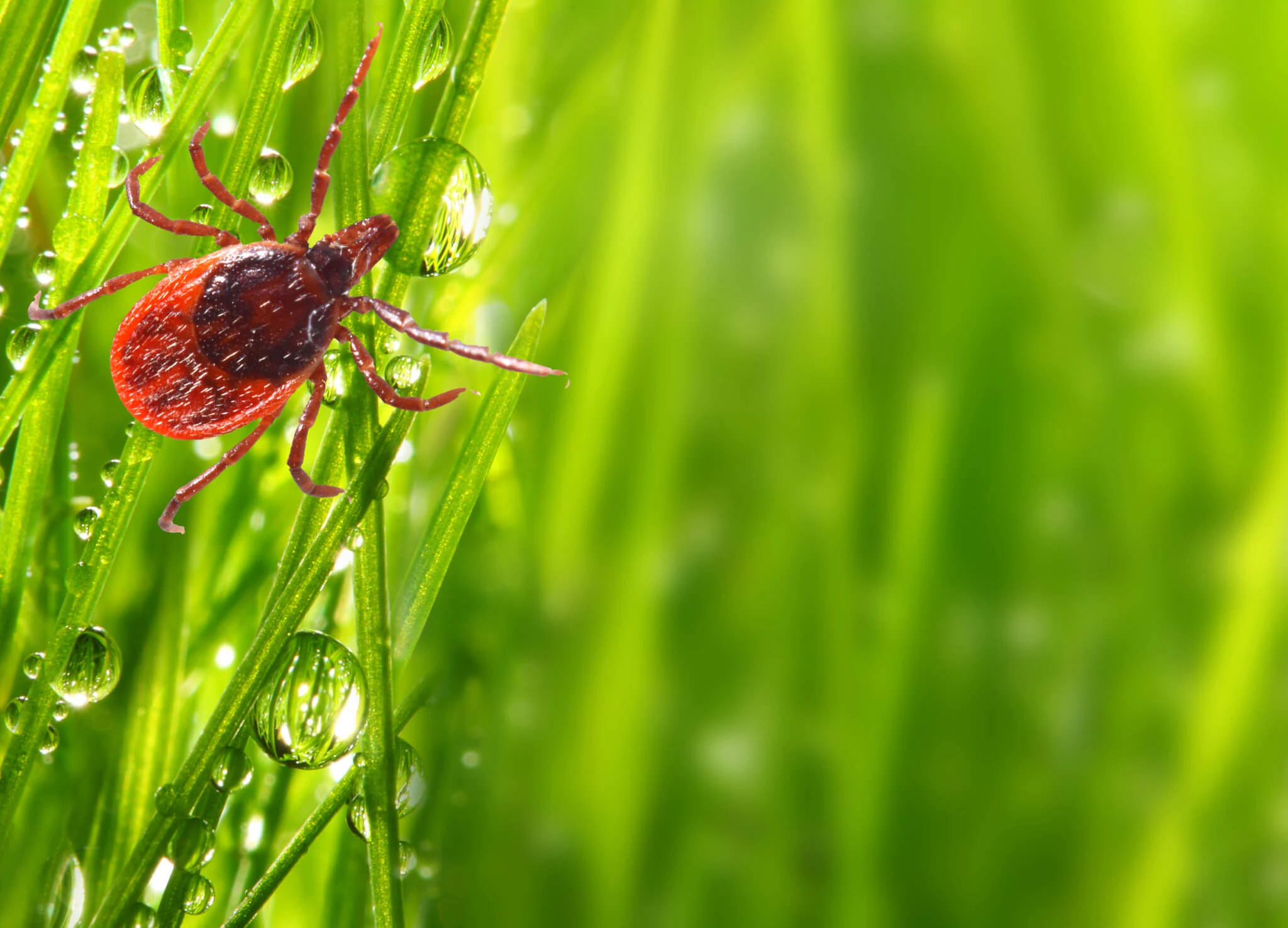
Ticks are arthropods that feed on blood at different stages of their life cycle. On Long Island, the blacklegged tick is the primary vector of Lyme disease, while the lone star tick and American dog tick carry other pathogens. The life cycle of a tick spans two years, with ticks passing through larval, nymphal, and adult stages. Larvae are often infected when they feed on infected small mammals, such as mice, which are abundant in suburban environments. Nymphs, which are active in spring and early summer, are responsible for most human cases of Lyme disease because they are tiny and often go unnoticed. Adult ticks become active later in the season, feeding on larger mammals such as deer. Controlling ticks requires reducing their habitat, eliminating hosts, and applying targeted treatments when ticks are most vulnerable. Tick sprays should be applied to the perimeter of the property, focusing on wood lines, stone walls, and areas of tall vegetation where ticks are most likely to quest for hosts. For Suffolk-specific yard tips, see our guide to effective tick control for your Suffolk County property.
Where mosquitoes breed in Suffolk County:
Mosquitoes breed in stagnant water, and the varied terrain of Suffolk County provides many breeding sites. From rainwater collected in clogged gutters and bird baths to marshy areas near the coast, these insects find numerous places to lay their eggs. Female mosquitoes require blood meals to produce eggs, and different species feed at different times of day. Some prefer dusk and dawn, while others feed during daytime. Mosquitoes can pick up and transmit viruses when they bite infected birds or mammals. Reducing mosquito populations starts with eliminating standing water on your property. You should regularly empty containers, unclog downspouts, maintain swimming pools, and treat ornamental ponds with safe larvicides. In areas where removal of breeding sites is impossible, professional spraying can reduce adult mosquitoes. Sprays should target dense shrubs, shaded areas, and the underside of leaves where mosquitoes rest during the heat of the day. Garden habits that cut breeding sites are covered in managing mosquito breeding sites through garden care.
Spraying as part of a broader plan:
Spraying is just one part of a broader approach. Integrated pest management for ticks and mosquitoes involves multiple techniques designed to make your property less hospitable to these pests. For ticks, property management includes regularly mowing lawns, removing leaf litter, trimming back shrubs, and creating a barrier of wood chips or gravel between the lawn and wooded areas. Installing deer fencing can limit deer from bringing ticks onto your property, and nesting boxes can attract owls and other predators that help control rodent populations. For mosquitoes, encouraging natural predators such as bats, dragonflies, and birds can help reduce adult numbers. Planting native species that support these predators contributes to ecological balance. Encouraging beneficial insects helps keep populations of both ticks and mosquitoes in check. Integrated approaches also include regular monitoring of pest activity. Understanding the seasonal patterns of ticks and mosquitoes allows targeted interventions that reduce the need for repeated spraying. A seasonal overview is in our fall checklist for Long Island tick and mosquito control and spring and summer tick prevention strategy.
Timing and product choice:
The success of a spraying program depends on timing and the products used. Professional services typically apply tick sprays during the periods when nymphs and adults are most active, in late spring and late summer. The product may include botanical oils, pyrethrin-based formulas, or other EPA-approved treatments that knock down ticks without harming pollinators. Mosquito sprays are often scheduled after a thorough assessment of the property. Professionals may use barrier sprays that cling to foliage or misting systems that provide continuous control. In some cases, larvicides may be applied to water bodies to interrupt the mosquito life cycle. The choice of product should consider the presence of children, pets, and wildlife. Professional technicians are trained to apply sprays safely, using techniques that minimize drift and runoff. Homeowners comparing softer options can also read about eco-friendly tick control options that work.
Working with a local horticultural service:
Keeping your family and pets safe from tick and mosquito-borne diseases requires vigilance and a commitment to health. While you can take many steps yourself, such as removing debris and eliminating standing water, partnering with experienced professionals helps keep treatments timely and effective. A qualified pest management service will assess your property's specific risks, recommend integrated strategies, and apply targeted sprays that reduce pest populations without harming beneficial organisms. They can also advise you on personal protection measures, such as wearing long sleeves in wooded areas and using repellents when necessary. By working together, we can enjoy the outdoors while reducing the risks posed by these persistent pests. If you have concerns about ticks or mosquitoes on your property, contact us at 631-467-7999 to discuss your options and develop a plan that meets your needs.