
When is the best time for tree trimming outdoors?
Plants from different genus and species require different maintenance techniques. Tree trimming is best saved for certain seasons depending on the plant.
Read more →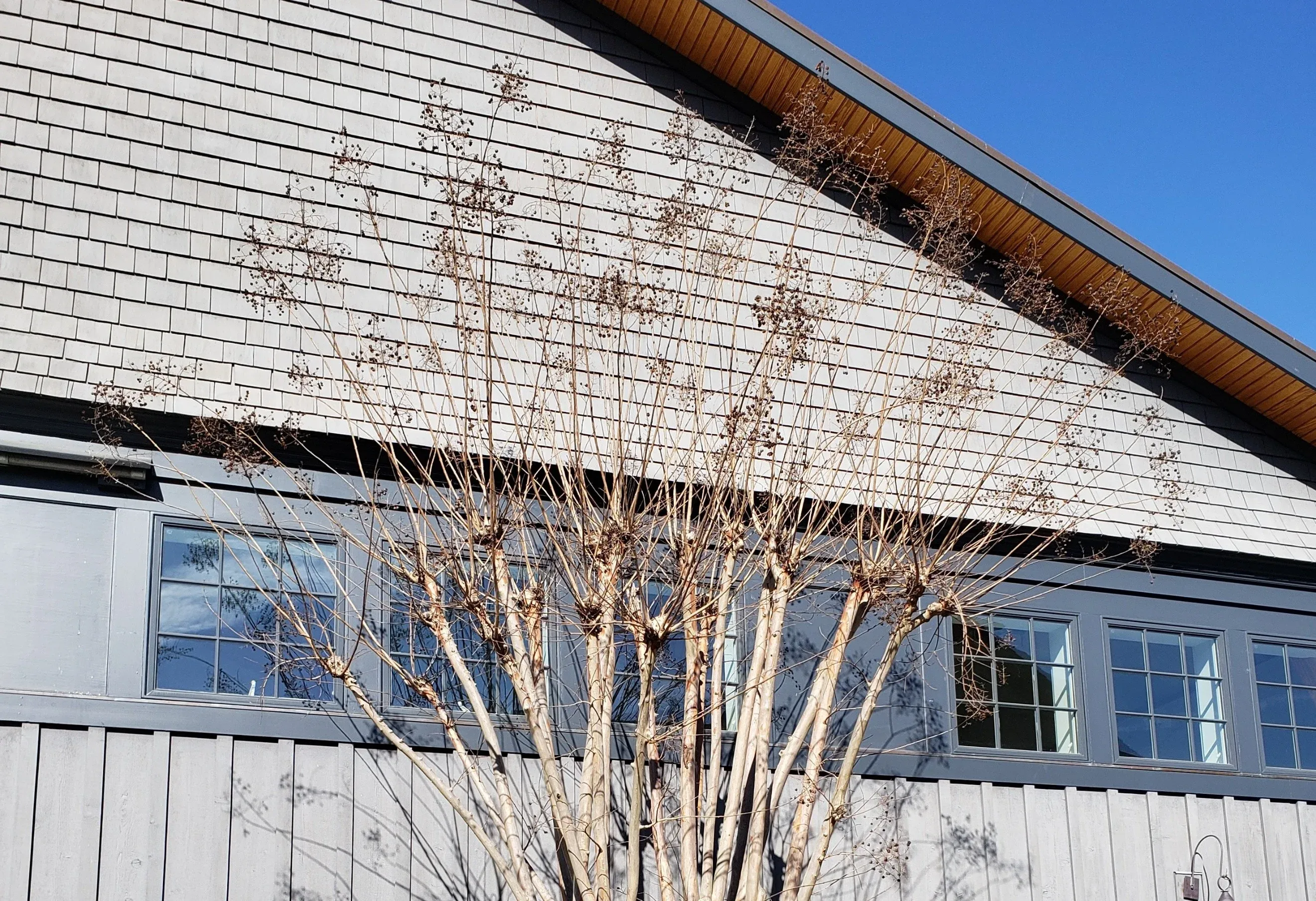
Espalier, pollarding, and artistic tree shaping
Transform your trees into living sculptures with specialty pruning techniques. From the formal elegance of espalier to the bold structure of pollarding, these specialized pruning methods combine horticultural expertise with artistic vision to create dramatic focal points in your landscape.
Espalier is the art of training trees to grow flat against a wall or fence in decorative patterns. This space-saving technique creates beautiful living architecture perfect for small gardens or adding vertical interest. Fruit trees, especially apples and pears, are commonly espaliered, but many ornamentals also adapt well to this method.
Pollarding is a pruning method that involves removing all branches back to the main trunk or scaffold limbs on a regular cycle. This creates a distinctive knobby appearance and keeps trees at a manageable size. Historically used for firewood production, pollarding is now valued for its bold architectural form.
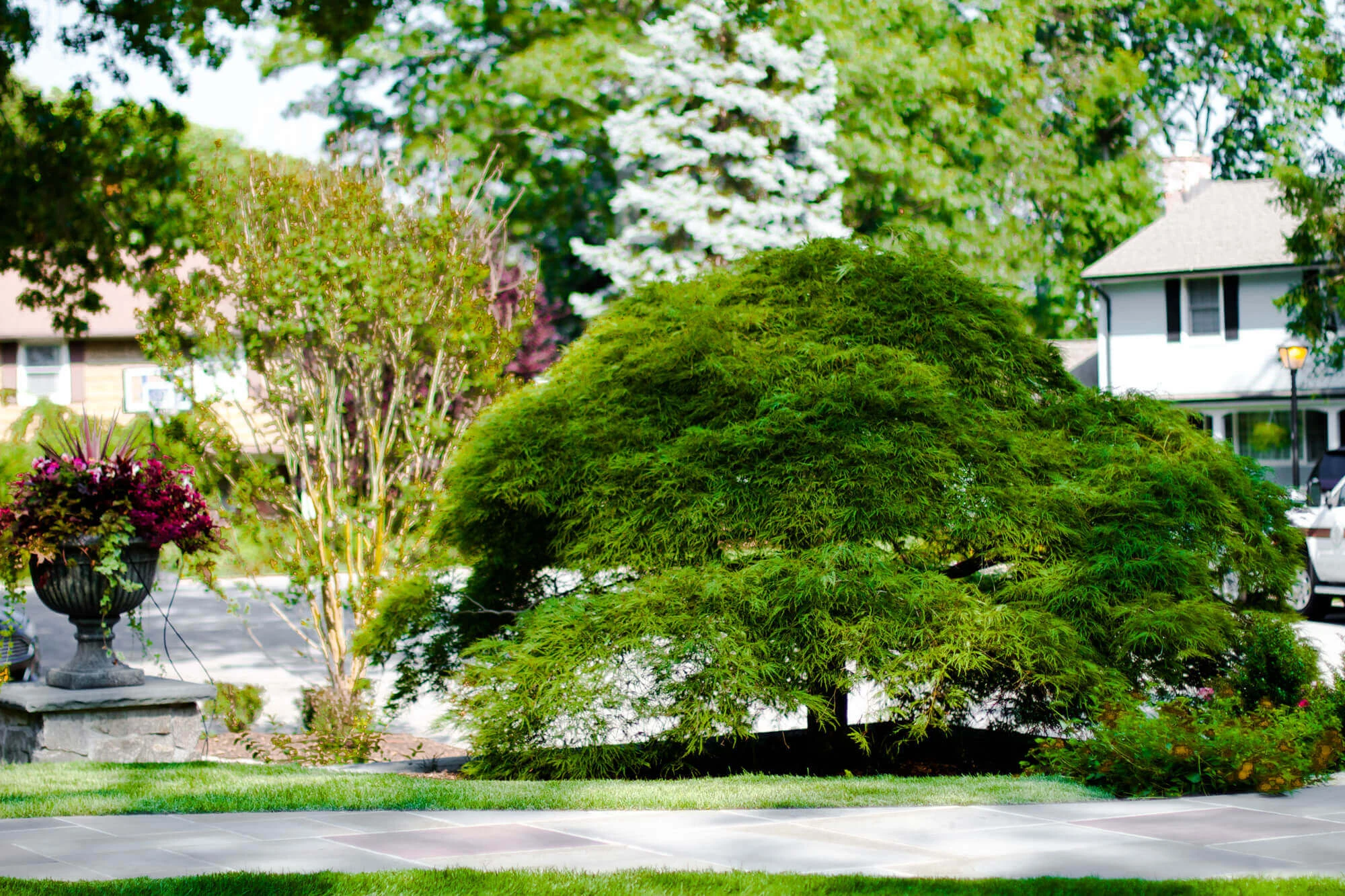
Inspired by Japanese Niwaki techniques, cloud pruning creates organic, cloud-like masses of foliage on sculptural branch frameworks. This meditative pruning style reveals the tree's branch structure while maintaining full canopies of carefully shaped foliage pads.
Topiary is the practice of shaping plants into geometric or representational forms through precise, regular pruning. From simple spheres and pyramids to elaborate animal shapes, topiary adds whimsy and formality to gardens. Boxwood, yew, and holly are popular choices for topiary work.
We specialize in creating and maintaining espaliered trees in various patterns including horizontal cordon, Belgian fence, fan, and candelabra styles. Starting with young trees, we gradually train branches into the desired pattern using pruning and support systems. Established espaliers require regular maintenance to preserve their form.
Successful pollarding requires commitment to a regular pruning cycle, typically every 1-3 years depending on the species and desired effect. We establish pollarding schedules for appropriate tree species including willow, linden, plane tree, and ash. Trees must be started young or carefully converted to this pruning system.
This contemplative pruning style requires years of development and artistic vision. We work with pines, junipers, maples, and other appropriate species to create sculptural specimens that become more refined with age. Each pruning session carefully considers the tree's natural growth patterns and artistic potential.
Whether you desire classic geometric forms or elaborate figurative shapes, our skilled pruners can create and maintain topiaries of all complexity levels. New topiaries require several years of careful shaping to achieve the desired form, while established specimens need regular maintenance to preserve their crisp appearance.
Specialty pruning techniques require ongoing maintenance to preserve their distinctive forms. These are not one-time services but long-term commitments. However, the results are truly spectacular living sculptures that become more impressive with age. Our experienced pruners understand the specific requirements of each technique and can guide you in selecting appropriate species and styles for your property.
Contact us to discuss specialty pruning options and discover how these techniques can transform your property.
Call 631-467-7999