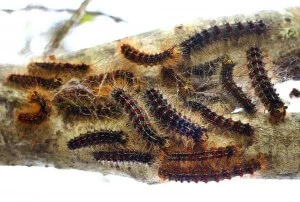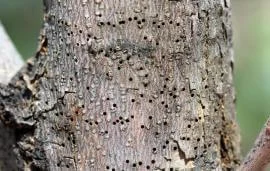
Professional Spotted Lanternfly & Beech Leaf Disease Treatment Services
Issues with spotted laternfly and beech leaf disease? Let the experts at Organically Green help with spotted lantern fly and beach leaf disease treatment services.
Read more →
Protecting Long Island's trees and landscapes from invasive pests
The Spotted Lanternfly has become a significant threat to Long Island's trees and agricultural crops. This invasive pest feeds on a wide variety of plants, causing serious damage to trees, vines, and ornamentals. Our professional treatment programs help protect your valuable landscape investments from this destructive insect.
Our certified arborists conduct thorough property inspections to identify Spotted Lanternfly activity and assess the extent of infestation. We employ multiple control methods including systemic treatments for high-value trees, foliar applications during active feeding periods, and egg mass removal during dormant seasons.

Our integrated approach targets lanternflies at all life stages for maximum effectiveness. Early detection is key to effective management, and we look for egg masses, nymphs, and adult insects, as well as signs of feeding damage on trees and plants.
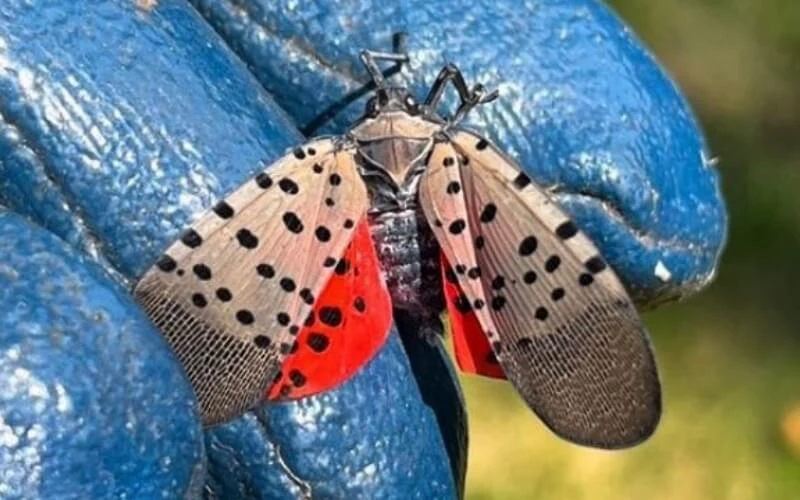
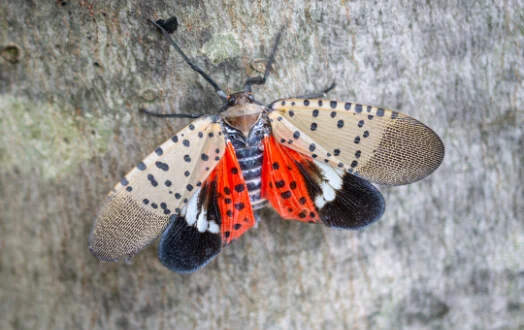
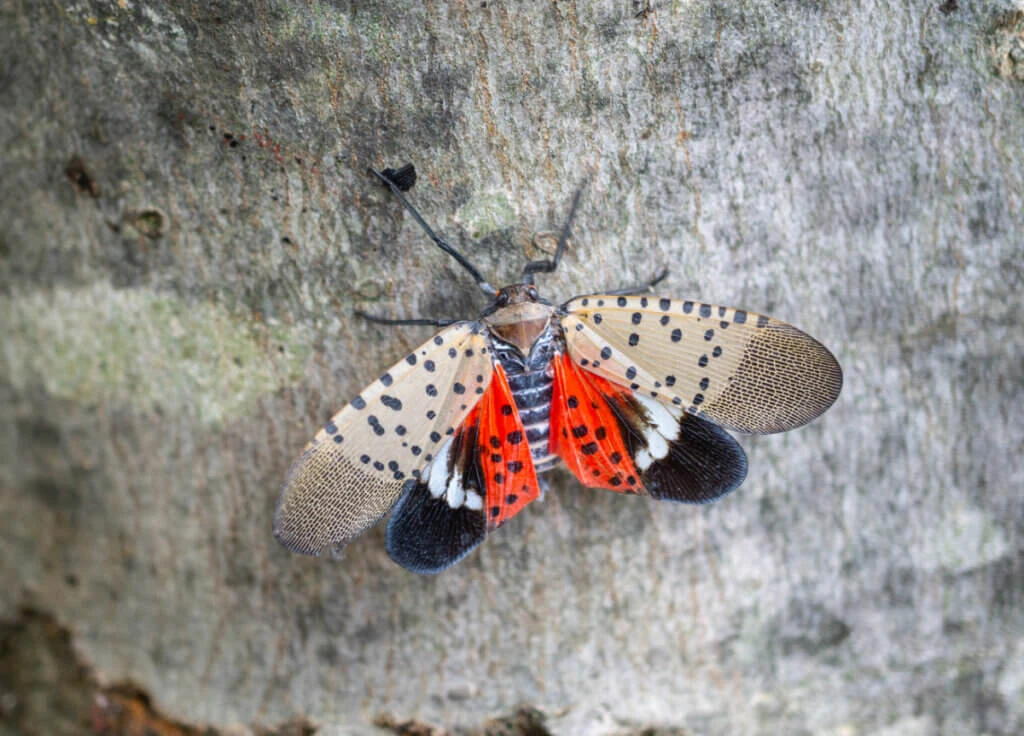
The Spotted Lanternfly is an invasive planthopper native to Asia that was first discovered in Pennsylvania in 2014 and has since spread to Long Island. Adults are approximately 1 inch long with distinctive spotted wings. They feed by sucking sap from plants, weakening trees and causing significant damage. The honeydew they excrete promotes sooty mold growth, further stressing affected plants.
September - June: Egg masses on trees, stones, and outdoor items
Late April - July: Black and white spotted nymphs emerge
July - September: Red and black nymphs mature
July - November: Adults with spotted wings are active
Spotted Lanternflies reproduce rapidly, with females laying 30-50 eggs at a time. Without professional treatment, populations can explode, causing widespread damage to your landscape. Early intervention protects your trees and prevents the pest from establishing large populations on your property.
Our ISA Certified Arborists have extensive experience identifying and treating Spotted Lanternfly infestations. They understand the pest's biology and behavior, allowing for strategic and effective control.
We employ multiple control methods targeting all life stages of the Spotted Lanternfly. From egg mass removal to systemic treatments, our comprehensive approach ensures maximum effectiveness.
All treatments are performed by licensed applicators with specialized training in invasive pest management. We stay current with the latest research and treatment protocols.
We treat your valuable landscape investments with the same care we'd give our own. Our team takes extra precautions to protect non-target plants and beneficial insects while effectively managing the pest.
Contact our certified arborists for a property assessment and customized treatment plan.
Call 631-467-7999