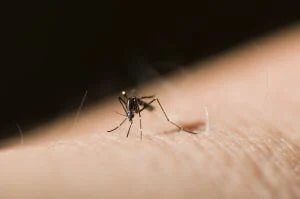
The presence of mosquitoes can quickly turn a pleasant summer evening on Long Island into an uncomfortable experience. These insects are not only annoying; they also pose health risks by transmitting diseases. While insect repellents and our professional spraying services offer relief, effective mosquito management begins with understanding where mosquitoes breed and taking steps to eliminate these sites. By carefully tending to your garden and removing areas of standing water, you can significantly reduce mosquito populations on your property. This proactive approach complements our professional treatments and reduces the need for chemical interventions. Homeowners who incorporate water management into their gardening routine will find that they can enjoy their outdoor spaces with fewer interruptions from biting insects.
Mosquitoes lay eggs on or near standing water. Female mosquitoes seek calm, nutrient-rich water in which to deposit their eggs. In natural environments, this includes marshes, ponds, and slow-moving streams. In urban and suburban settings, artificial containers provide ample breeding opportunities. Flower pots, bird baths, rain barrels, children's toys, neglected swimming pools, and even bottle caps can collect rainwater and become nurseries for mosquito larvae. Clogged gutters, tire swings, and tarps also trap water. Some species, such as those that transmit West Nile virus, prefer clean water, while others, like those carrying dengue fever, can breed in discarded tires and containers. Identifying and addressing these breeding sites is the first line of defense.
Regular maintenance is essential for controlling mosquitoes. Start by inspecting your property for any items that collect water. Empty, scrub, or cover containers once or twice a week to prevent mosquito larvae from reaching adulthood. This includes bird baths, dog bowls, and plant saucers. Store unused equipment, such as wheelbarrows and buckets, upside down so they do not fill with water. Clean gutters and downspouts to ensure proper drainage. Repair leaky outdoor faucets and hoses that create puddles. If you have a rain barrel, keep it covered with a fine mesh screen and treat the water with safe larvicides. For ornamental ponds, consider installing a fountain or aerator to keep the water moving, making it less suitable for mosquito breeding. Alternatively, add mosquitofish or other natural predators that feed on larvae.
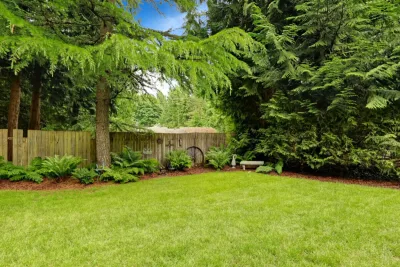
Proper landscaping can further reduce mosquito habitats. Grading the soil away from the foundation and filling low spots prevents water from pooling. Incorporating rain gardens in areas where water naturally collects can direct water into deeper soil layers while providing habitat for native plants. These gardens are designed to absorb runoff within twenty-four to forty-eight hours, depriving mosquitoes of breeding time. The use of porous materials for patios and walkways also facilitates water infiltration. If your property has swales or drainage ditches, keep them clear of debris so water flows freely. Avoid overwatering lawns and gardens; use drip irrigation or soaker hoses to deliver water directly to plant roots without creating puddles.
While homeowners can do much to manage mosquito breeding sites, professional assistance ensures thorough coverage. Pest control specialists can identify hidden breeding spots, such as tree holes or roof gutters that are difficult to inspect. They can apply larvicides in areas where water cannot be removed, such as catch basins or rain barrels. These products target mosquito larvae while leaving other aquatic organisms unharmed. Professionals can also advise on structural improvements to reduce standing water. They may recommend barrier treatments for areas that cannot be managed through water elimination alone. Combining homeowner efforts with professional services yields the best results, reducing mosquito populations and the risk of disease transmission.
Managing mosquitoes is an ongoing process. Regular inspection of your property and prompt elimination of standing water keep populations low and reduce the need for chemical control. Educating family members about the importance of tipping containers and maintaining water features fosters a collaborative effort. When integrated with targeted treatments and landscape design, these practices create a comfortable and healthy outdoor environment. If you are unsure about the sources of mosquitoes in your yard or need additional help, contact a professional pest management service. They can conduct a comprehensive assessment and develop a plan that fits your property's needs. Together, we can make warm weather outings more enjoyable and less mosquito-filled.