On Long Island, ticks are a fact of life. Our wooded areas, meadows, and even suburban yards provide a perfect habitat for these tiny arachnids. Many residents have come to rely on chemical pesticides to keep ticks at bay, but concerns about the environment, human health, and the well‑being of beneficial organisms have prompted a search for more eco friendly alternatives. Organic tick control strategies offer a promising approach. They focus on reducing tick populations through natural means, limiting the use of synthetic chemicals, and supporting a healthier ecosystem. By understanding how ticks live and reproduce, homeowners can implement organic solutions that are effective and sustainable. This approach often involves combining different methods, creating a robust defense against tick‑borne diseases without harming the environment.
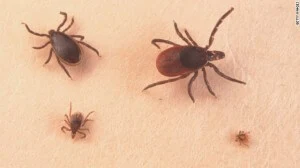
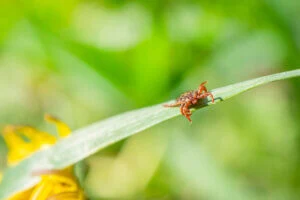
Ticks progress through three life stages: larva, nymph, and adult. Each stage requires a blood meal to move to the next, making hosts essential to their survival. Larvae feed on small mammals and birds; nymphs often feed on small mammals and humans; and adult ticks prefer larger mammals such as deer. Because ticks cannot jump or fly, they wait on vegetation, a behavior known as questing, until a host brushes past. Understanding this behavior is crucial for deploying organic control methods. For example, targeting areas where ticks quest and lay eggs can reduce their numbers significantly. Disrupting the life cycle at multiple stages ensures better overall control.
One of the most effective organic strategies is habitat management. Reducing tick habitat on your property makes it less inviting to ticks and their hosts. This can be accomplished by keeping grass mowed, removing leaf litter, trimming back shrubs, and creating a barrier of crushed stone or wood chips around the perimeter of your yard. This barrier reduces the likelihood of ticks crossing into areas where your family and pets spend time. Encouraging wildlife predators that feed on rodents, such as owls, snakes, and foxes, can also help keep tick populations in check by limiting the number of small hosts. Installing nesting boxes and creating habitat for these predators fosters a natural balance. Additionally, discouraging deer from entering your property by using deer‑resistant plantings or fencing reduces the number of hosts that adult ticks rely on for breeding.
Biological control uses natural enemies of ticks to reduce their numbers. Entomopathogenic fungi, such as Metarhizium anisopliae and Beauveria bassiana, infect and kill ticks. These fungi occur naturally in the soil and can be applied as biopesticides. Beneficial nematodes, microscopic worms that target tick larvae and nymphs, are another option. When applied correctly, these organisms seek out ticks in the soil and release bacteria that kill their hosts. Integrating biological controls into your tick management program provides targeted suppression without harming non‑target organisms. However, for these methods to be effective, they must be applied under the right environmental conditions, such as adequate moisture and soil temperature. Consult a professional to determine the best products and application timing.
Several organic sprays are effective against ticks. These products break down quickly in the environment and have lower toxicity to mammals and beneficial insects. Neem oil, extracted from the seeds of the neem tree, acts as a repellent and disrupts the life cycle of many insects, including ticks. When using any spray, even organic ones, it is important to follow label directions and target areas where ticks are likely to be found, such as shrubbery, tall grasses, and the edges of wooded areas. Working with the Organically Green team to properly apply treatments along with homeowner habitat management and biological controls yields the best results.
Cultural practices complement organic tick control methods by reducing the likelihood of tick encounters. Wearing long sleeves and pants when in wooded areas, using tick repellents on clothing, and performing regular tick checks after spending time outdoors are essential precautions. Keeping pets on a regular tick prevention regimen recommended by veterinarians further reduces the risk of infestation. While organic methods can significantly reduce tick populations, they are most effective when integrated into a comprehensive plan that considers the entire ecosystem. Working with our professionals DEC certified applicators who understand organic pest management ensures that treatments are applied correctly and at the appropriate time. This approach safeguards your family, pets, and the environment. By embracing eco friendly tick control methods, we create healthier landscapes and reduce our reliance on synthetic chemicals.