Spring on Long Island is a season of renewal, as budding trees and flowering shrubs bring the landscape to life. This period also marks the start of a new cycle for many pests and plant diseases. Homeowners who want to keep their trees healthy and vibrant need to pay attention to these early signs of trouble. While the sun encourages growth, it also awakens insects such as aphids, scale, spider mites, and bark beetles that feed on tender new growth. These pests can weaken a tree’s vitality if left unchecked. Moreover, fungal diseases such as apple scab, powdery mildew, and cedar apple rust thrive in the mild, moist conditions typical of an island spring. By understanding when and how to address these problems, you can protect your investment in your landscape and nurture your trees from the start of the season. A well‑planned tree spraying strategy tailored to Long Island’s climate can help prevent infestations and infections while preserving beneficial insects and the surrounding ecosystem.
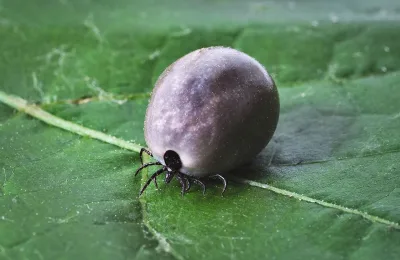
As the days grow longer, many insects emerge from winter dormancy in search of food. Aphids are among the first pests to appear, clustering on new shoots and buds and sucking the sap out of tender leaves. Their feeding not only distorts new growth but also excretes honeydew, which encourages sooty mold growth and attracts other pests. Scale insects remain on bark and leaves, feeding quietly but often going unnoticed until infestations are severe. Spider mites prefer warm, dry conditions and can cause bronzing or stippling on foliage. Other spring pests include caterpillars such as inchworms and spongy moth larvae that chew leaves and weaken trees. In addition, borers may lay eggs in bark crevices, and their larvae tunnel into the trunk, disrupting water and nutrient flow. Each of these pests requires a different management approach, and proper identification is essential before taking action. Monitoring your trees regularly to detect early activity is crucial for effective control.
While insects are a concern, fungal diseases also flourish when temperatures and moisture levels rise. Apple scab appears as olive‑green spots on leaves and fruits of apple and crabapple trees, leading to premature leaf drop and blemished fruit. Powdery mildew coats leaves and shoots with a white, powdery substance, interfering with photosynthesis and leaving plants stressed. Cedar apple rust and other rust diseases require two hosts to complete their life cycles, producing galls or rust‑colored lesions on both juniper and apple trees. Many fungal diseases spread through spores that overwinter on leaf litter or bark and then germinate when conditions are right. Once infection sets in, it can be difficult to stop. Proper sanitation, such as removing fallen leaves and pruning infected branches, plays a role in disease control. However, timely application of fungicidal sprays can protect susceptible tissue. These preventive sprays are most effective when applied before symptoms appear, making spring the ideal time for treatment.
Effective tree spraying is not a matter of dousing trees with chemicals at the first sign of trouble. It involves a thoughtful strategy that considers the type of pest or disease, the life cycle of the target organism, and the sensitivity of the environment. Integrated spraying practices combine organic horticultural oils, soaps, and, when necessary, targeted synthetic treatments to manage pests and diseases with minimal impact on beneficial insects and the surrounding ecosystem. Horticultural oils are particularly useful in spring because they smother overwintering pests and their eggs on bark and branches. These oils can reduce populations of scale insects, mites, and aphids without leaving harmful residues. In cases where fungal diseases are a concern, copper‑based or sulfur‑based fungicides can provide protection. The key is to choose products and application timings carefully, ensuring that sprays are applied when pests are most vulnerable and before diseases infect new growth. This approach reduces the need for repeated applications and helps maintain the natural balance in your garden.
Every property is unique, with its own microclimate, soil conditions, and mix of plant species. For that reason, tree spraying strategies should be tailored rather than one‑size‑fits‑all. A professional arborist or horticulturist will assess your trees’ health by examining the canopy, trunk, and root zone. They will look for signs of stress such as discoloration, early leaf drop, or unusual growth patterns. They will also identify beneficial insects that help keep pest populations in check. Based on this evaluation, they will design a custom spraying schedule that takes into account the specific pests and diseases prevalent in your area, the species of trees on your property, and the weather patterns expected in the coming weeks. Professionals also have access to products that are more effective and less harmful than over‑the‑counter sprays. They follow best practices to prevent drift and protect pollinators by applying treatments at appropriate times when bees and butterflies are less active.
Tree spraying is one component of a broader plant health care program. It works best when combined with proper cultural practices such as mulching, watering during drought, fertilizing based on soil tests, and pruning for air circulation and structure. By taking a proactive approach and partnering with experienced professionals, you can ensure that your trees thrive through spring and into the hot summer months. If you notice unusual activity on your trees or are unsure about how to proceed, a consultation with a certified arborist will provide the clarity you need. The goal is to preserve the beauty and health of Long Island’s trees while respecting the environment, so that future generations can enjoy the same lush, green landscapes we cherish today.