For many homeowners on Long Island, trees are more than just part of the landscape. They provide shade, privacy, and a sense of permanence. They also increase property values and create habitats for wildlife. Because of their size and longevity, trees can give the impression that they are self‑sufficient and require little attention. In reality, trees are living organisms that respond to their environment and require care to remain healthy and safe. Regular tree inspections are a fundamental aspect of responsible property management. They help identify issues such as disease, pest infestations, structural weakness, and environmental stress before these problems become severe or hazardous. By working with Organically Green to perform periodic assessments, you safeguard your property, protect your family and neighbors, and preserve the natural beauty of your home.
A thorough tree inspection goes beyond a quick glance at the leaves. It involves a systematic examination of all parts of the tree, from the roots to the canopy. The root zone is checked for signs of root damage, fungal growth, girdling roots, and soil compaction. The trunk is examined for cracks, cavities, decay, sap flow, or insect galleries that might indicate internal rot or pest activity. Branches are assessed for deadwood, crossing limbs, poor attachments, and signs of disease. The arborist also evaluates the canopy structure, looking for imbalance or excessive weight that might lead to failure during storms. Inspections also consider the tree’s growing environment, such as soil quality, drainage, and proximity to structures or utilities. Observing a tree in different seasons provides insights into its overall health: bud development in spring, leaf fullness in summer, color changes in autumn, and structural form in winter.
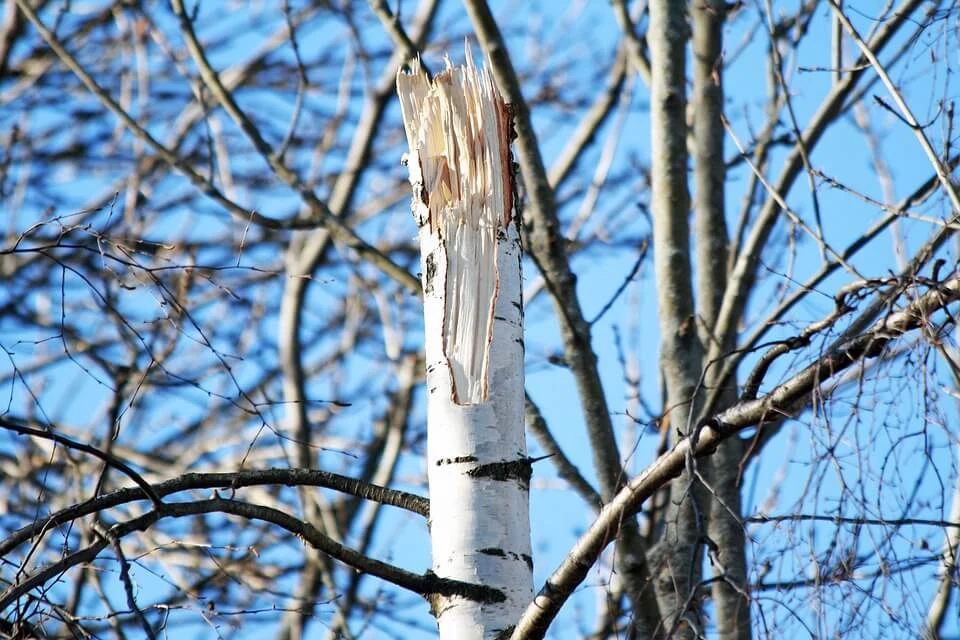
The importance of regular inspections lies in prevention and early intervention. Diseases like oak wilt or Dutch elm disease can spread rapidly, while pest infestations such as emerald ash borer can girdle a tree before the homeowner realizes there is a problem. Structural defects may not be visible from the ground but can lead to branch or trunk failure during high winds or heavy snow. Trees that have been damaged by construction, storms, or improper pruning may become hazardous if left unaddressed. By identifying these issues early, an arborist can recommend treatments or corrective actions that protect the tree and prevent property damage. In addition, regular inspections help ensure that a tree continues to grow with a strong structure, reducing the need for drastic pruning later on.
How often should trees be inspected? It depends on the tree species, age, location, and condition. Younger trees typically require less frequent inspections, while mature trees benefit from yearly assessments. Trees near high‑traffic areas or buildings should be monitored more closely, as they pose greater risk if they fail. After extreme weather events, such as hurricanes or heavy snowstorms, inspections are especially important, as hidden damage can compromise structural integrity. Seasonal inspections allow arborists to note changes over time and adjust care accordingly. For example, spring inspections may focus on bud and leaf development, while summer inspections may assess drought stress and pest activity. Autumn evaluations can identify weak attachments before winter storms, and winter inspections provide a clear view of structure without foliage.
Regular tree inspections offer benefits beyond hazard prevention. They contribute to overall plant health and longevity. Arborists can identify nutrient deficiencies, signs of stress from soil compaction or moisture imbalance, and suggest corrective measures such as mulching, aeration, or deep root fertilization. Inspections also provide homeowners with peace of mind, knowing that their trees are being cared for properly. Documentation of professional inspections can be useful for insurance purposes and in meeting municipal requirements for tree maintenance. Moreover, maintaining healthy trees aligns with environmental stewardship, as robust trees provide more benefits: they sequester more carbon, provide more shade, and offer greater support for wildlife.
Investing time and resources in regular tree inspections is a proactive way to protect your property and enhance its value. It ensures that potential problems are addressed before they become emergencies, saving money and preserving the beauty of your landscape. If you have not had your trees inspected recently, consider contacting a certified arborist. They will provide a comprehensive evaluation and recommend a maintenance plan tailored to your property. By committing to routine inspections, you will enjoy the shade, beauty, and ecological benefits that healthy trees bring to your home for years to come.