
January Tips:
Check on dahlia, canna, and gladiolus bulbs for rotting and/or drying out
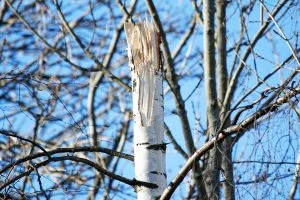
Prune away storm-damaged branches promptly to prevent tearing of the bark
Prune forsythia, pussy willow, quince, etc. for forcing indoors
Determine types and quantities of plants/seeds to order
February Tips:
Prune summer and fall blooming shrubs
On frigid nights continue to protect indoor plants from freezing; move them away from the glass or cover glass with thick newspaper or cardboard
Sow seeds of annuals which require a long growing season, e.g. lobelia, petunia, vinca, browallia, snapdragon, verbena, etc.
Check on winter plant protection; add mulch and adjust plant stakes as necessary
March Tips:
Plant cold weather vegetables spinach, peas, lettuce, and broccoli as soon as soil is workable
Cut ornamental grasses to new shoots
Prune late-flowering shrubs such as buddleia and Hydrangea paniculata but wait until after flowering on early-flowering shrubs forsythia, Hydrangea macrophylla, rhododendron, and syringa
Carefully remove winter mulches from planting beds
Add compost in four to six inch layers and work into planting bed soil
April Tips:
Prune early spring-flowering shrubs immediately after flowers die.
Make sure to leave bulb foliage until yellowed to ensure beautiful blooms year! ( my idea!)
Can begin dviding some late flowering perennials.
Re-seed bare lawn areas.
Place peony ring supports.
Plant out cool-season annuals pansies and snapdragons
May Tips:
Dig and divide early-blooming perennials after flowering
Lift, divide, and replant late summer and fall-blooming perennial
Deadhead bulbs but allow foliage to remain until yellow to nourish bulbs for year’s display
Sow seeds of corn, cucumber, and melon directly in the garden
Harden off tomato, eggplant, and pepper transplants before planting out at end of month
Plant summer-flowering bulbs such as gladiolas and dahlias after last frost date
Take out houseplants as temperatures moderate; move to partially shaded, wind-protected location
June Tips:
Leave grass clippings on lawn to improve availability of nitrogen
Harvest cool-weather lettuce, radishes, and scallions
Sow seeds of heat-tolerant vegetables
Fertilize annuals and container plants
Set supports for floppy plants, vines, and vegetables
July Tips:
Deadhead annuals and perennials to encourage continuous bloom, and cut any rampant growth
Lift, divide, and replant late summer and fall-blooming perennial
Remove any fallen leaves and debris that can harbor insect pests and disease organisms
Finish deadheading rhododendrons and lilacs
Continue to fertilize annuals and container plants each month
Leave nitrogen-rich grass clippings on lawn
Sow seed of lettuce, kale, broccoli, cabbage, radishes, and arugula for fall harvest
August Tips:
Order spring-flowering bulbs for fall planting
Plant out seedlings of cool vegetable plants for fall harvest
Shape and pinch houseplants before returning them indoors
Check houseplants for insect pests and treat as necessary before bringing them in
Sow seed of late-harvest vegetables such as carrots, beets, and turnips
September Tips:
Complete ordering spring-flowering bulbs and other plants for fall planting
Plant and transplant broad-leaved and needle-leaved evergreens through October 15
Continue to divide and transplant early-blooming perennials
Divide daylilies after flowering
October Tips:
Compost fallen leaves and garden debris such as annuals and spent vegetable plants
Continue to plant spring-flowering bulbs; begin planting tulips before month’s end
Prune late-flowering shrubs and trees when dormant
Bring in all houseplants before frost
November Tips:
Cut perennials to -″, but leave ornamental grasses to provide winter interest until spring
Mulch flower beds to keep soil temperature stable and prevent winter injury from frost heaving
Continue to plant deciduous trees and shrubs until the ground freezes
Complete planting spring-flowering bulbs
Fertilize trees and shrubs before the ground freezes so that food is available to plants in early spring
December Tips:
After ground freezes, mulch perennial and bulb planting beds. The mulch will prevent heaving during the alternate freeze/thaw cycle
Avoid the use of salt to melt snow as it is toxic to most plants. Use sawdust, sand, or cat litter
Keep bird feeders filled throughout winter
Continue to protect shrubs from deer with burlap or netting
Hold off on fertilizing indoor plants until spring
Set up Christmas tree in a reservoir stand. Cut on a slant about ″ above existing cut for optimum water absorption