Trees are vital to the character and ecology of Long Island. From stately oaks shading front yards to ornamental cherries lining driveways, each tree contributes to our environment by providing oxygen, sequestering carbon, and supporting wildlife. The same conditions that make Long Island lush and green also create an ideal environment for a variety of tree diseases. Humid summers, coastal breezes, and densely planted neighborhoods can encourage fungi, bacteria, and viruses. When left unchecked, these diseases weaken trees, making them susceptible to other stressors and, in severe cases, leading to death. Understanding the signs of common tree diseases and seeking professional diagnosis is the first step to protecting your investment in your landscape. Armed with knowledge and the support of certified arborists, homeowners can act quickly to contain diseases and promote tree health.
Many of the most common tree diseases on Long Island are fungal. One of the most recognizable is powdery mildew, which coats leaves in a powdery white film, interfering with photosynthesis and potentially causing premature leaf drop. Apple scab produces velvety, dark lesions on leaves and fruit of apple and crabapple trees, often followed by early defoliation. Anthracnose causes irregular brown blotches and can lead to twig dieback on sycamores, dogwoods, maples, and many other species. Cedar apple rust appears as orange‑red spots on apple leaves and produces gelatinous galls on juniper hosts. Fungal diseases often spread through airborne spores that flourish in warm, humid weather. Once infected, trees may continue to harbor spores, reinfecting themselves and nearby plants in subsequent seasons. Fungicides can protect healthy tissue, but they cannot cure infected leaves. Proper identification of the fungus and timely intervention are key to managing these diseases.
Although less common than fungal diseases, bacterial and viral infections can have serious consequences for trees. Fire blight is a bacterial disease that affects apples, pears, and related species. Infected branches appear scorched, turning black and curling downward as if burned by fire. Bacteria enter through blossoms and wounds, then move rapidly through vascular tissue. Prompt pruning of infected limbs can limit the spread. Bacterial leaf scorch, another serious disease, disrupts water movement in the tree, causing leaf edges to turn brown prematurely. Viral symptoms may include distorted growth, streaked leaves, or unusual coloration. Viruses cannot be cured, so prevention through sanitation and the use of disease‑free planting stock is essential. Because these infections can mimic other stresses, professional diagnosis is critical to determine the correct course of action.
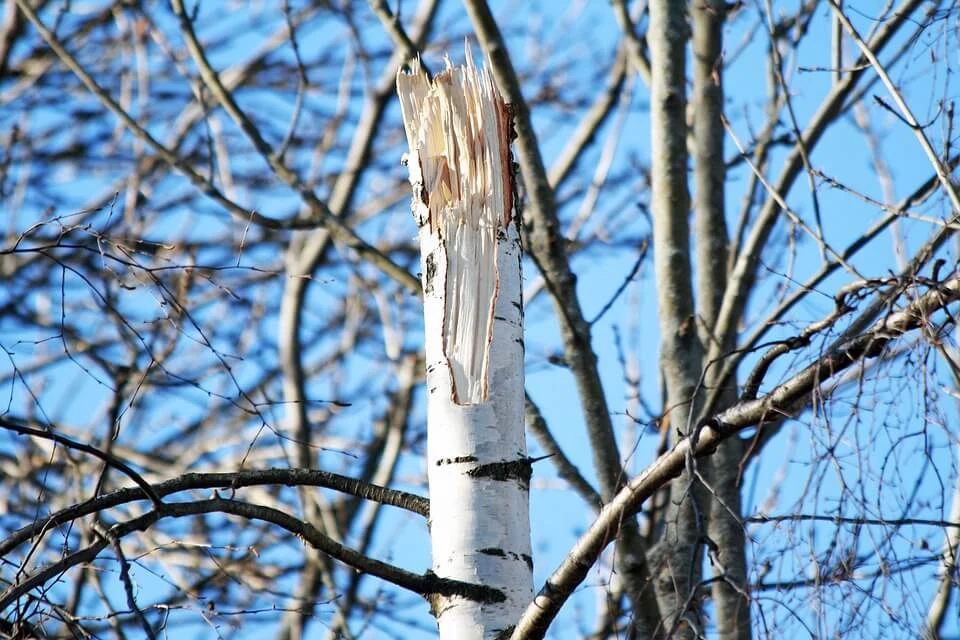
Not all tree health issues are caused by pathogens. Environmental factors, such as drought, salt spray, soil compaction, and nutrient deficiencies, can cause symptoms that resemble disease. Drought stress may lead to wilting, scorch, and early leaf drop, while salt spray near coastal roads can cause browning of evergreen needles. Soil compaction stresses the root system and reduces tree vigor, while proper macro and micronutrients are essential for maintaining plant defense mechanisms. Mechanical injuries from lawn equipment or improper pruning can create entry points for secondary infections. When diagnosing tree problems, it is important to consider these abiotic disorders. Misdiagnosing an environmental stress as a disease can lead to inappropriate treatments and further damage. Soil tests, irrigation evaluations, and a careful assessment of the site history will help determine the underlying cause of symptoms.
Diagnosing tree diseases requires expertise and experience. Certified arborists are trained to identify disease patterns, understand the environmental context, and differentiate between similar conditions. Arborists may collect samples of leaves, twigs, or soil to send to a plant pathology lab for confirmation. A professional diagnosis ensures that the management plan addresses the correct problem. Once the disease is identified, customized treatments can be recommended, which may include pruning infected limbs, applying targeted fungicides or bactericides, adjusting watering practices, or improving soil conditions. In many cases, the solution involves a combination of cultural practices and targeted interventions. Avoiding overuse of chemicals and focusing on long‑term plant health helps maintain the natural balance in the landscape.
Prevention is always better than cure. Choosing disease‑resistant tree varieties, planting them at appropriate spacing, and ensuring good air circulation reduce the risk of infection. Regular sanitation, including removing fallen leaves and pruning deadwood, eliminates sources of spores and bacteria. Avoiding overhead watering limits leaf wetness, making conditions less favorable for fungi. Protecting tree trunks from lawn equipment damage prevents wounds that could allow pathogens to enter. Monitoring your trees throughout the year and scheduling regular inspections with a professional horticulturalist or certified arborist will catch problems early. When you see signs of disease, seek expert assistance promptly. Action taken quickly can mean the difference between a minor issue and the loss of a valued tree. By investing in diagnosis and proper care, you help preserve the beauty and ecological benefits of Long Island’s tree canopy.