
Pollinators are integral to our food systems and ecosystems. On Long Island, bees, butterflies, and other pollinators help gardens and wild areas flourish. At the same time, the prevalence of ticks in our region raises concerns about family and pet safety. Some practices that create inviting habitats for pollinators, such as allowing certain areas to grow wild or planting dense ground covers, may also inadvertently provide shelter for ticks. Balancing pollinator attraction with tick management is not only possible but essential to maintain the health and safety of your landscape. By understanding the needs of both pollinators and ticks, we at Organically Green can help you design a garden that supports beneficial insects while minimizing the risk of tick encounters.
Pollinator-friendly gardens provide a continuous succession of blooms from early spring through late fall. Planting native flowering shrubs, perennials, and annuals ensures a diverse food supply for bees, butterflies, and other beneficial insects. Provide sheltered spots, such as hedges or shrubs, where pollinators can rest and hide from predators. When treatments are necessary, our DEC certified applicators choose products that target specific pests and apply them when pollinators are least active. Creating nesting habitats for solitary bees, such as leaving bare patches of soil or installing bee houses, encourages pollinator diversity. Water sources, such as shallow dishes with pebbles, give pollinators a place to drink.
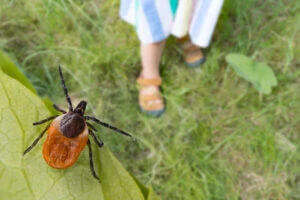
Ticks thrive in moist, shaded environments with plenty of leaf litter or tall grasses. They use these areas to hide while waiting for a host. Properties with dense undergrowth, unmown grass, and brush piles provide ticks with ideal conditions. Deer, rodents, and other mammals that carry ticks are attracted to such areas, bringing ticks with them. To reduce tick habitat while still supporting pollinators, maintain neat edges along lawns and create clear boundaries between wild and manicured areas. Keep grass short in high-use areas and remove leaf litter regularly. Use barriers such as cedar mulch to deter them from crossing pathways. Fencing may deter deer from entering the garden, reducing the number of ticks introduced to an area.
You can design your garden to benefit pollinators while minimizing tick habitat by strategically placing pollinator plants and managing the surrounding area. Plant flowers in beds or borders with mulch rather than letting weeds or grass grow unchecked around them. Use ornamental grasses that stay upright and do not create a mat at ground level. Create a mosaic of habitats, alternating between pollinator plantings and open areas that are regularly mowed or maintained. Raised beds and containers can be used to grow pollinator-friendly plants off the ground, making them less accessible to ticks. When designing wildflower meadows, choose sites away from seating areas and use proper meadow maintenance with the help of our professional horticulturists to manage ticks while preserving nectar sources.
Combining pollinator-friendly gardening with integrated tick management ensures that your garden remains a safe and thriving space. Encourage natural predators of ticks, such as ground-feeding birds and predatory insects, by providing habitat and food sources. Ask our team about other tick control methods like tick tubes, which target larvae and nymphs in rodent nests, and consider organic sprays as needed. Let us at Organically Green continue to monitor tick populations with regular property inspections. Staying informed about simple tick prevention practices—wearing appropriate clothing and conducting tick checks after spending time outdoors—is crucial to protect your family. By integrating these strategies, you create a balanced ecosystem where pollinators flourish and tick risks are minimized.
Balancing pollinator attraction with tick management requires thoughtful planning and ongoing attention. By choosing appropriate plants, designing your garden strategically, and working with Organically Green to implement integrated pest management practices, you can achieve a healthy landscape that supports beneficial insects while protecting your family from ticks. If you need guidance, our team of professional horticulturists and DEC Certified Applicators understand local conditions and can help you create a plan that suits your property. With careful planning, you can enjoy a garden alive with pollinators without compromising safety.